Education · Maximize Your Profit · Real Estate Sales · Sellers · Selling a home

Why Choosing the Right Real Estate Broker Matters More Than Ever.

Why Choosing the Right Real Estate Broker Matters More Than Ever

The real estate landscape is evolving, and recent changes in agent compensation have added complexity to the home buying and selling process. If you’re thinking about selling your home, it’s crucial to select a real estate professional who will not only represent you but also navigate these changes effectively. That’s why choosing Dennis Rath Home Sellers is one of the best decisions you can make. Here’s why.

Understanding the Role of the Broker—It’s Not Just the Agent

Many people assume that real estate agents and brokers are the same, but they’re not. When you sign a real estate contract in Ohio, you’re not just dealing with an agent; you’re actually entering into an agreement with the primary broker of the company. This means that the broker holds the ultimate authority in your contract.

A vital question to ask is: Who is the broker, and where are they located? At some firms, the broker may be miles away in a different city, like Cleveland or Columbus, or even out of state, creating a disconnect between you and the person who holds the authority over your contract. At Dennis Rath Home Sellers, you’ll deal directly with me, Dennis Rath—the primary broker—ensuring personal, attentive service throughout the process.

Personalized Service and Unmatched Dedication

At Dennis Rath Home Sellers, you’re not just another listing on a board—you’re my top priority. Unlike large firms where homes can get lost in the shuffle, I focus all my energy and expertise on your unique needs. From the initial consultation to the final closing, I ensure your home gets the attention it deserves. My goal is to maximize its market potential and secure the best outcome for you.

Navigating New Compensation Rules with Expertise

The real estate industry has changed, especially regarding how agent compensation can be advertised and negotiated. While these changes offer more flexibility, they also introduce new complexities into transactions. With 30 years of experience, I’m well-equipped to guide you through these changes. I’ll help you keep costs low, protect your interests, and secure the best possible results.

What You Need to Know About Broker Dynamics

A recent study from the National Association of Realtors indicates that 72% of real estate agents primarily represent home buyers, and 1 in 4 agents may leave the industry in the next two years due to financial pressure. Large brokerages, in particular, are facing shrinking revenue as they manage the overhead of dozens of offices. These pressures are pushing some brokers toward dual agency, where the same broker represents both the buyer and seller—a situation that can create conflicts of interest.

At Dennis Rath Home Sellers, I avoid dual agency to ensure my sole focus is on representing you, the seller. My commitment is to your best interests, without any divided loyalties.

Modern Marketing Without Unnecessary Overhead

After spending 25 years with the Realogy Franchise system, I’ve learned that high overhead doesn’t always translate to better results for clients. Thanks to the internet, I can market your home on the same platforms used by large franchises—without the unnecessary expenses. My MLS agreements ensure your property appears on all the major real estate websites, giving you a competitive edge.

Instead of maintaining multiple offices, I efficiently cover all of northeastern Ohio from my office on Lorain Rd in Fairview Park. I also partner with experienced professionals, such as title companies and mortgage services, to provide you with the best services, including top-tier professional photography to showcase your home in its best light.

Now Is the Time to Act

As the real estate market continues to adapt, now is the perfect time to leverage the personalized service and market exposure that Dennis Rath Home Sellers offers. With me, you’ll have direct access to the person in charge, ensuring transparency and quick responses to your concerns.

Ready to get started? Call me today at 440-490-7284. Let’s navigate this changing landscape together and achieve the best outcome for your home sale.

Education · Maximize Your Profit · Maximize Your Profit · Real Estate Sales · Sellers · Selling a home

The National Association of REALTORS Settlement

I assume you have read headlines about the National Association of REALTORS® (NAR) agreement to end litigation in the Sitzer-Burnett lawsuit because it’s been all over the news.  If by chance you haven’t heard, let me give you some background what the lawsuit was about.

The Sitzer-Burnett is a class-action suit that was filed in Sept. of 2021 in federal court by a group of home sellers in the state of Missouri against the National Association of REALTORS (NAR), along with several other defendants including Anywhere, Berkshire Hathaway HomeServices, Keller Williams, and RE/MAX.

The plaintiff’s case stated real estate commission rates are too high, buyers’ representatives are paid too much, and NAR’s Code of Ethics and MLS Handbook, along with the corporate defendants’ practices of forced compensation have led to inflated commission rates for the sellers.  The jury in this case agreed with the plaintiffs.  As soon as the verdict came in, the lead attorney for the plaintiffs filed a nationwide lawsuit against the National Association of Realtors, Compass, eXp, Redfin, Howard Hanna Real Estate, United Real Estate, Douglas Elliman, and Weichert Realtors.  Instead of appealing the Sitzer-Burnett case and litigating all of the others, the NAR decided to consolidate the cases and proposed a settlement, and as I understand it, it is now up to the court to accept the settlements.

The issue at the heart of the lawsuits is why home sellers are paying commissions of brokers representing home buyers. This

issue is like an onion, as it has many layers, and the industry has done a poor job of informing our clients what the truth is and many agents in the industry do not understand it themselves well enough to articulate it.  I understand it completely because I have been selling real estate through the changes.

The compensation, whether it is a flat fee or a commission, is outlined in the contract between the client and the primary broker of the real estate company. Most home sellers or buyers never talk to the primary broker unless something goes wrong.  Agents are employed by the brokers, and in most cases may not deviate from the broker’s decisions regarding compensation.

Brokers inform real estate agents what they need to charge, and that fee is split between the broker and the agent.  All compensation is negotiable and has always been, nothing in this settlement changes that. 

The way it works now is that the real estate compensation is paid to the listing broker, and the listing broker pays the cooperating (buyer’s) broker.

The reason this practice is in effect now is because that was the way it was long before buyers’ agency was a law.  When I was first licensed in 1994, cooperating agents (agents who work with buyers) acted as subagents of the listing agent. After the Federal Trade Commission released a study showing that most buyers thought they were being represented, Ohio passed a law that required agents to disclose whom they represented.  Thus, the buyers’ agency was born.  Compensation did not change after the buyers’ agency because the mortgage laws were never updated and that is how we ended up with this antiquated compensation model.

That brings us up to today.  Today there is no easy way for a buyer to pay their agent fees outside of the way it has always been because mortgage rules cap the amount of fees that can get added to a loan, and with VA loans buyers are forbidden to pay any cost.  Lawmakers did this to ensure fees do not deplete borrower equity.

So, what has changed as a result of the settlement and how will it affect the way real estate is sold?  Good question.  No one knows all of the details yet, but here is what we do know; As of mid-July 2024, compensation will be de-coupled from the listing contract and no buyer’s agent compensation will be listed on the Multiple Listing Service.  This means that sellers will pay their broker and buyers will be responsible for paying their broker. 

The internet is full of people making predictions.  Max Besbris, an associate professor, and author wrote, “It will prompt one of the biggest transformations to the housing market since New Deal-era regulations were put in place.”  No disrespect to Mr. Besbris, but I don’t think you can compare the NAR lawsuit settlement to the time that followed the Great Depression, but I may be wrong.

This issue is like an onion, as it has many layers, and the industry has done a poor job of informing our clients what the truth is and many agents in the industry do not understand it themselves well enough to articulate it.  I understand it completely because I have been selling real estate through the changes.

The compensation, whether it is a flat fee or a commission, is outlined in the contract between the client and the primary broker of the real estate company. Most home sellers or buyers never talk to the primary broker unless something goes wrong.  Agents are employed by the brokers, and in most cases may not deviate from the broker’s decisions regarding compensation.

Brokers inform real estate agents what they need to charge, and that fee is split between the broker and the agent.  All compensation is negotiable and has always been, nothing in this settlement changes that. 

The way it works now is that the real estate compensation is paid to the listing broker, and the listing broker pays the cooperating (buyer’s) broker.

The reason this practice is in effect now is because that was the way it was long before buyers’ agency was a law.  When I was first licensed in 1994, cooperating agents (agents who work with buyers) acted as subagents of the listing agent. After the Federal Trade Commission released a study showing that most buyers thought they were being represented, Ohio passed a law that required agents to disclose whom they represented.  Thus, the buyers’ agency was born.  Compensation did not change after the buyers’ agency because the mortgage laws were never updated and that is how we ended up with this antiquated compensation model.

That brings us up to today.  Today there is no easy way for a buyer to pay their agent fees outside of the way it has always been because mortgage rules cap the amount of fees that can get added to a loan, and with VA loans buyers are forbidden to pay any cost.  Lawmakers did this to ensure fees do not deplete borrower equity.

So, what has changed as a result of the settlement and how will it affect the way real estate is sold?  Good question.  No one knows all of the details yet, but here is what we do know; As of mid-July 2024, compensation will be de-coupled from the listing contract and no buyer’s agent compensation will be listed on the Multiple Listing Service.  This means that sellers will pay their broker and buyers will be responsible for paying their broker. 

The internet is full of people making predictions.  Max Besbris, an associate professor, and author wrote, “It will prompt one of the biggest transformations to the housing market since New Deal-era regulations were put in place.”  No disrespect to Mr. Besbris, but I don’t think you can compare the NAR lawsuit settlement to the time that followed the Great Depression, but I may be wrong.

The upside is the cost of selling will come down in the long run once the mortgage rules are updated, allowing buyers to pay for a buyer’s agent or to be able to finance the cost. 

The downside has some significant issues as well with removing the compensation of any type from the MLS.  The biggest one I can see is how it will affect first-time home buyers.  First-time home buyers as a general rule rely more on agent services to help them through the sometimes complicated and always emotional process of buying a home.  A home is the biggest piece to their financial future.

Throughout my career, I’ve dealt with a lot of issues like this one.  The concept of sellers and buyers paying for their representation and removing it from the MLS is simple and understandable, but how the execution happens will depend on a wide range of human behavior.

Some people are predicting housing prices will decline along with commissions.  I don’t think that’s true because home prices are primarily determined by the supply and demand for housing units.  I can’t see how the cost of brokers’ fees will factor in.

I am very happy with the changes.  As you know I have been advocating for this for quite some time.  As a person who has made his living over the last 30 years in the real estate industry, I am glad to see more transparency in the transaction.

I developed my fee structure of giving sellers options more than 9 years ago.  Since then, I have been able to save sellers several thousand on their side of the transaction.  Because of the current compensation model, my hands have been tied to save money on the buyer’s side, this should go a long way to correct that. 

Thank you for your friendship and your referrals.

Dennis Rath

Education · Real Estate Sales · Sellers · Selling a home

Unlock the Hidden Power of Real Estate Brokers – Your Home Sale Depends on It!

Opting for a real estate broker might provide you with safer assistance compared to working with a sales agent or team. Selling your home goes beyond being a transaction; it’s a voyage filled with both anticipation and uncertainty. Whether you’re new to selling or an experienced real estate pro, the journey toward a sale can be complicated and unpredictable. Among the decisions you’ll have to make one choice that stands out as crucial – is selecting the professional to guide you through this process.

Imagine this journey as an adventure, where your home’s the ship navigating through the ever-changing currents of the real estate market. Whom would you trust as your captain steering you towards a haven of success? Would you put your faith in a navigator who knows every intricacy of these waters? Would you entrust your vessel to a sailor hoping they’ll find their way?

In this blog post we delve into the importance of making the choice when it comes to selling your home. We’ll explore the distinction between a real estate agent and a principal broker shedding light on their roles and responsibilities.

As we navigate the intricacies of this decision you will come to realize the impact that your choice of a real estate professional can have. So, raise the anchor embark on this journey alongside us and uncover the key to a home sale guided by expertise.

Principal Broker

A principal broker is a real estate expert who has completed all the real estate courses along with educational requirements mandated by state laws. In Ohio a broker must successfully complete courses such as Ohio Real Estate Law (40 hours) Ohio Real Estate Principles & Practices (40 hours) Real Estate Appraisal (20 hours) Real Estate Finance (20 hours) a Financial Management course a Human Resources or Personnel Management course an Applied Business Economics course and two years of post secondary education or equivalent ninety quarter hours. They must also pass the brokers exam. Fulfill 36 hours of continuing education every two years.

The principal broker serves as the representative of the brokerage firm. Holds authority to enter into agency contracts with both home sellers and buyers. Additionally they are responsible for supervising real estate agents employed by the agency. The principal broker oversees transactions, between buyers and sellers while providing guidance to agents.

A principal broker also holds a trust or escrow account to ensure the handling of the money deposit and any funds owed to the brokerage firm. The principal broker is held to the standard of accountability and responsibility.

Sales Agent

In Ohio a real estate salesperson is a professional in the industry who has successfully completed all licensing real estate courses. These courses encompass Real Estate Principles and Practices (40 hours) Ohio Real Estate Law which covers rights, housing discrimination and desegregation issues (40 hours) Real Estate Appraisal (20 hours) Real Estate Finance (20 hours). Additionally, they must pass the real estate licensing exam. Sales agents are also required to complete 16 hours of continuing education every two years.

In Ohio real estate agents cannot work independently; they must be affiliated with a brokerage firm because they are not legally permitted to enter into agency contracts with home sellers or buyers. When you engage with a real estate agent you are entering into a contract with the broker while the agent acts as an intermediary. In Ohio any sales or purchase contract for estate is, between the principal and the broker.

What exactly constitutes a team?

According to a paper published by the Ohio Board of Realtors titled “Teams; Is Your Team Violating Ohio License Law?”. Copyrighted in August 2017 by Ohio REALTORS®, the license law, in Ohio defines a team as a group of two or more real estate licensees associated with the same brokerage. Additionally it can include licensed professionals such as administrative assistants and other experts in real estate related fields who advertise together. In order to be considered a team there must be two licensees who advertise together. It’s important to note that teams are not licensed entities recognized by the Ohio Division of Real Estate and Professional Licensing. Although the license law allows multiple licensees to work together and advertise under a team name each individual member of the team is still required to hold their agent or broker license. The concept of teams is quite common in this market, where agents form groups and conduct transactions under the name of their team leader. It’s worth mentioning that even if agents work as part of a team it does not relieve the broker from their obligations under Ohio license law; they are still responsible, for overseeing the activities of all affiliated licensees within their brokerage. This also includes individuals and other intermediaries who work as a team.)

In a nutshell deciding to sell your home is a step. You want the process to go smoothly, efficiently and securely. Opting for a real estate broker can make all the difference. Let’s delve into the reasons why selecting a broker’s your best bet.

1. Direct Communication; One of the advantages of working with a primary broker is that you communicate directly with the person you have signed an agreement with. It’s, like having a one on one conversation with the head. This direct line of communication ensures that your concerns are promptly heard and addressed.

2.. Expertise; Primary brokers typically possess knowledge and experience in the real estate industry. They have been in this field for quite some time which means they can effortlessly guide you through the intricate transactions. Their expertise proves invaluable when it comes to negotiations ensuring that you secure the deal.

3. Extensive Network; Primary brokers often boast a network of buyers and professionals within the industry. This means that more people who are genuinely interested in your property will be exposed to it. They can tap into their connections to find a match, for your home significantly increasing its chances of selling

4. Ensuring legal compliance is crucial, in real estate transactions as they involve a web of laws and regulations. Primary brokers shoulder the responsibility of ensuring that every aspect of the transaction aligns with Ohios real estate laws. This helps mitigate the risk of facing complications in the future safeguarding your interests. On the hand sellers without the guidance of a broker may find it challenging to ensure compliance with Ohios real estate laws.

One advantage of working with a broker’s increased flexibility in negotiating terms and conditions for the sale. It’s akin to having a line to the decision maker allowing you to tailor the deal according to your needs and preferences.

In contrast salespeople may possess experience and knowledge compared to brokers. Their limited expertise can potentially impact the level of service you receive. By choosing to work with a broker you can rest assured that you have access to top notch expertise.

To conclude, when selling your home and considering your equity at stake partnering with a real estate broker is highly recommended. You stand to benefit from their experience, network, legal expertise flexibility, in negotiations and direct communication channels.

FAQ 1; What qualities should I consider when choosing a real estate agent?

Answer; When selecting a real estate agent it is important to take into account their experience, knowledge of the market track record and client reviews. It is crucial to assess their expertise and reputation within the industry.

FAQ 2; Is commission split the factor in choosing a broker?

Answer; Although commission split is an aspect to consider it should not be the determining factor. Other factors such as presence, support system, training opportunities and overall culture within the brokerage also play a role in making your decision.

FAQ 3; How can I ensure that I am selecting the real estate brokerage?

Answer; Prior to joining a brokerage real estate agents should ask questions to evaluate whether it aligns with their needs. These questions may relate to commission structure, training programs, support provided by the brokerage team and the reputation of the brokerage, in the market.

FAQ 4; What distinguishes a real estate broker from an agent?

Answer;

A real estate broker possesses a level of qualification. Can work independently or oversee a brokerage firm. On the hand agents typically operate under the supervision of a broker. Do not have the authority to enter into agency contracts on their own.

FAQ 5; What inquiries should I make during an interview, with a real estate broker?

Answer; When interviewing a real estate broker it is essential to ask about the support they provide training programs available commission structure, company culture and the resources they offer to assist agents in achieving success. These asked questions (FAQs) and their corresponding answers are based on information obtained from search results. They aim to provide guidance, for individuals seeking to select the real estate agent or brokerage.

(*1) It’s important to note that real estate brokers are not attorneys and are not permitted to engage in practice.

Education · Real Estate Sales · Sellers · Selling a home

Unlock the Power to Sell Your Home After a Decade.

You are now entering the world of real estate.

You are now entering the world of real estate. Those who have not dealt with realty for over 10 years will be surprised to find how much it has changed. The technological revolution has changed the world. Home seller workshop to keep you up-to-date on market trends and best practices in today’s real estate sector. Basically, a home seller workshop is important for you. Why? Let’s explore.

Understanding Today’s Real Estate Market

Many changes have occurred in the estate market during the past ten years. The market’s dynamics, the preferences of buyers and pricing strategies and all changed. Understanding these shifts is vital for a sale to occur.

The Impact of Technology on Real Estate

Technology has utterly changed the way property is marketed and sold. It is important to understand how you can use these tools for everything from marketing a home to conducting virtual home tours.

The Significance of Home Seller Workshops

Gaining Valuable Market Insights. Workshops provide a window into what is happening in the marketplace, letting you benefit from knowledge of price and volume trends.

Preparing Your Home to Sell

Present Your Home with Potential Strategies. The first impression truly is crucial; how can we enhance this benefit?.

Repairs and renovations to your home are always essentialWorkshops can put it in terms you will understand better: —

Marketing Your Property The media is also a way to attract potential buyers in addition to traditional methods.

Marketing Properties

Reduce Your Property Listing Costs To Nothing With This Cost-Effective Techniques Advertising Techniques. Learn how to create captivating listings and advertisements that will attract the buyers.

Use Social Media and Online Platforms: Strategies for Real Estate. Marketing Your Property The media is also a way to attract potential buyers in addition to traditional methods.

Do You Want to Be an Effective Social Media Using It’s important to have a presence today. Learn how you can use social media platforms to effectively market your property.

Negotiation Tactics and Sealing the Deal

Closing the Sale: Sell it Right! Obviously these kinds of things take skill—no one is born with them all acquired only hard work. This section looks at the tips and tactics for successful negotiations, and offers some insight into how negotiations are made.

Objections Buyers Raise

Overcoming Objections: Justify Your Price Learn how to address objections, from buyers in order to overcome them successfully.

Agents and Real Estate: What Are Their Roles?

Types of Real Estate Agents: A Guide to Their Functions in Need to understand these complex issues in a simple, straightforward way that gets results!

The Right Agent for You, and Comparing Agents against Selling for Sale by Owner

Look at the pros and cons of selling through an agent, compared with doing it yourself.

The Role of Technology in Home Selling

Use advanced technology, such as virtual tours and video showings, to extend your property’s impact and bring it to a larger public.

Strategies for Online Listings

Let people know your property by introducing special ways of presenting listings.

Avoiding Common Mistakes When Selling

Getting the Price Right in Your Own Home. Pricing your home is very difficult. Find out how to avoid mistakes in pricing.

Timing Your Sale

Knowing when is the best time to list your home is vital for those practicing real estate. Get to know strategies for timing.

The Emotional Aspect of Selling Your Home

Overcoming Sentimental Attachments. Selling a home can be a whole array of stumbling blocks. Learn how to manage and move forward in a positive way.

What life is like after the sale

Learn to or prepare yourself for the changes that will come with the sale of your home and the new chapter in your life.

Overcoming Sales Challenges

There are challenges that present themselves in every sale. Take some examples to see what people have gone through.

Upcoming Real Estate Industry Trends

A ten-year forecast. Take in the lessons of the past decade. Finding out what trends can be projected in estate for years to come today in order to outperform competitors later on.

Adapting to Changing Circumstances

Adaptability is key. Understand how to be flexible and cope with market changes.

In Summary

In summary, if you haven’t sold a property in over a decade you would do well to attend a home sellers workshop. It gives you the knowledge and skills to manage the current market for real estate sales effectively. If you would like to have any questions answered or attend a home seller workshop, please don’t hesitate and contact us.

Frequently Asked Questions

What are the benefits of a home seller’s workshop?

Home sellers can attend a workshop for inspiration and know-how, plus also reap the benefits of networking and specialized expertise. This combination makes for a home selling experience that is more successful (and confidence-building.

Real estate market has been through the ten years of development.

What can we learn about some trends in home staging and marketing houses?

When you stage a home, it’s worth a lot more money. Nowadays, there are trends in staging homes such as virtual and luxury.

How important do you think technology is for selling a house today?

The importance of technology has gone up, changing how today’s homes are sold. In terms of property transactions in the age of modern conveniences, technology affects all these elements: virtual open houses, digital marketing strategies for exposure, buyer engagement techniques–it is in this manner that the real estate industry has been revamped.

What financial considerations should be on my mind in selling a house?

In selling a house, there are such matters to weigh as listing price, agent commissions, closing costs, repairs, and potential capital gains tax. And for a really successful sale, this is what you need to know; all these factors are fundamental to getting the most for your money.


The technological revolution has changed the world. Home seller workshop to keep you up-to-date on market trends and best practices in today’s real estate sector. Basically, a home seller workshop is important for you. Why? Let’s explore.

Understanding Today’s Real Estate Market

Many changes have occurred in the estate market during the past ten years. The market’s dynamics, the preferences of buyers and pricing strategies and all changed. Understanding these shifts is vital for a sale to occur.

The Impact of Technology on Real Estate

Technology has utterly changed the way property is marketed and sold. It is important to understand how you can use these tools for everything from marketing a home to conducting virtual home tours.

The Significance of Home Seller Workshops

Gaining Valuable Market Insights. Workshops provide a window into what is happening in the marketplace, letting you benefit from knowledge of price and volume trends.

Preparing Your Home to Sell

Present Your Home with Potential Strategies. The first impression truly is crucial; how can we enhance this benefit?.

Repairs and renovations to your home are always essentialWorkshops can put it in terms you will understand better: —

Marketing Your Property The media is also a way to attract potential buyers in addition to traditional methods.

Marketing Properties

Reduce Your Property Listing Costs To Nothing With This Cost-Effective Techniques Advertising Techniques. Learn how to create captivating listings and advertisements that will attract the buyers.

Use Social Media and Online Platforms: Strategies for Real Estate. Marketing Your Property The media is also a way to attract potential buyers in addition to traditional methods.

Do You Want to Be an Effective Social Media Using It’s important to have a presence today. Learn how you can use social media platforms to effectively market your property.

Negotiation Tactics and Sealing the Deal

Closing the Sale: Sell it Right! Obviously these kinds of things take skill—no one is born with them all acquired only hard work. This section looks at the tips and tactics for successful negotiations, and offers some insight into how negotiations are made.

Objections Buyers Raise

Overcoming Objections: Justify Your Price Learn how to address objections, from buyers in order to overcome them successfully.

Agents and Real Estate: What Are Their Roles?

Types of Real Estate Agents: A Guide to Their Functions in Need to understand these complex issues in a simple, straightforward way that gets results!

The Right Agent for You, and Comparing Agents against Selling for Sale by Owner

Look at the pros and cons of selling through an agent, compared with doing it yourself.

The Role of Technology in Home Selling

Use advanced technology, such as virtual tours and video showings, to extend your property’s impact and bring it to a larger public.

Strategies for Online Listings

Let people know your property by introducing special ways of presenting listings.

Avoiding Common Mistakes When Selling

Getting the Price Right in Your Own Home. Pricing your home is very difficult. Find out how to avoid mistakes in pricing.

Timing Your Sale

Knowing when is the best time to list your home is vital for those practicing real estate. Get to know strategies for timing.

The Emotional Aspect of Selling Your Home

Overcoming Sentimental Attachments. Selling a home can be a whole array of stumbling blocks. Learn how to manage and move forward in a positive way.

What life is like after the sale

Learn to or prepare yourself for the changes that will come with the sale of your home and the new chapter in your life.

Overcoming Sales Challenges

There are challenges that present themselves in every sale. Take some examples to see what people have gone through.

Upcoming Real Estate Industry Trends

A ten-year forecast. Take in the lessons of the past decade. Finding out what trends can be projected in estate for years to come today in order to outperform competitors later on.

Adapting to Changing Circumstances

Adaptability is key. Understand how to be flexible and cope with market changes.

In Summary

In summary, if you haven’t sold a property in over a decade you would do well to attend a home sellers workshop. It gives you the knowledge and skills to manage the current market for real estate sales effectively. If you would like to have any questions answered or attend a home seller workshop, please don’t hesitate and contact us.

Frequently Asked Questions

What are the benefits of a home seller’s workshop?

Home sellers can attend a workshop for inspiration and know-how, plus also reap the benefits of networking and specialized expertise. This combination makes for a home selling experience that is more successful (and confidence-building).

Real estate market has been through the ten years of development.

To sum up U.S. real estate market during the last decade, first it grew, then it recessed, and finally it rebounded. It was mainly determined by economics over the past ten years. Large changes have occurred in market and housing prices have not followed a regular pattern.

What can we learn about some trends in home staging and marketing houses?

When you stage a home, it’s worth a lot more money. Nowadays, there are trends in staging homes such as virtual and luxury.

How important do you think technology is for selling a house today?

The importance of technology has gone up, changing how today’s homes are sold. In terms of property transactions in the age of modern conveniences, technology affects all these elements: virtual open houses, digital marketing strategies for exposure, buyer engagement techniques–it is in this manner that the real estate industry has been revamped.

What financial considerations should be on my mind in selling a house?

In selling a house, there are such matters to weigh as listing price, agent commissions, closing costs, repairs, and potential capital gains tax. And for a really successful sale, this is what you need to know; all these factors are fundamental to getting the most for your money.

Education · Real Estate Sales · Selling a home

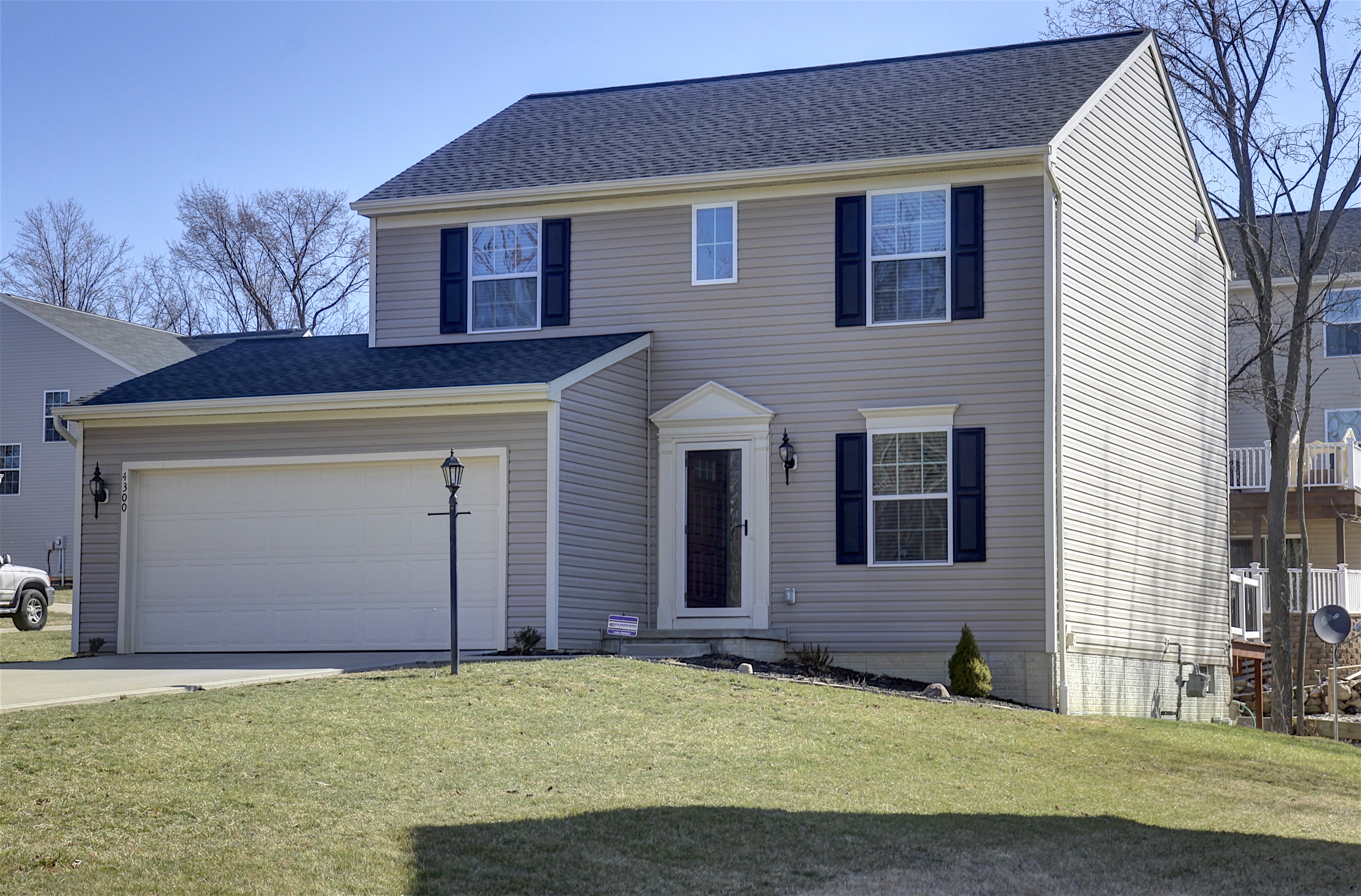
4300 Butterfly Circle, Medina, OH 44256

Welcome to your new home! A well maintained colonial, located in a newer quiet cul-de-sac neighborhood called Fox Village. This home has many upgrades; wood floors and recessed lighting to name just a few. The kitchen has counter space as far as the eye can see! You will love the quiet solitude that the deck provides, it’s just perfect for having coffee in the mornings, or as a place to decompress after a long day. The basement is partially finished and is being used as a workout area, and playroom. The location provides easy access to shopping, restaurants, highways, and parks.

Open Click Here

Education · Maximize Your Profit · Real Estate Sales · Selling a home

3 Things You Need in a Shifting Real Estate Market

Thursday January 24th, 2019

Whether you are thinking of selling your house or buying a home, today’s real estate headlines can be confusing – perhaps even concerning. What is actually happening with mortgage rates? Are home values dropping or are they just rising at a slower pace? What impact will the economy have on the housing market?

If you are either a buyer or seller (or both), you need to know what it will mean to your family if you go ahead with the move. You need to understand three things:

1. What is happening in the housing market right now?

Consumers must get past those fear-mongering headlines and gain a deep understanding of what is truly happening. How strong is buyer demand right now? How much competition do listings have today compared to what they will have in the spring? People want to make an educated decision on what is probably their family’s greatest financial asset.

2. Why is it happening?

Understanding the individual pieces that impact the sale or purchase of real estate is important. Understanding how those pieces impact each other is critical. How does the amount of a down payment impact the mortgage rate a buyer will be offered? Can you still price your house a ‘little ahead’ of the market and still be sure it will sell?

3. How do the first two affect your local market?

Basically, you want an understanding of the overall housing market and a simple and effective explanation of how it will impact your personal real estate goals.

Bottom Line

The best way to get all three is to work with a professional who understands this shifting real estate market and can expertly guide you on the journey to reach your housing goals. Let’s get together to discuss what today’s market means for you.

Education · life and experience · Maximize Your Profit · Real Estate Sales · Selling a home

7 Factors to Consider When Choosing A Home to Retire In

7 Factors to Consider When Choosing A Home to Retire In | MyKCM

As more and more baby boomers enter retirement age, the question of whether or not to sell their homes and move will become a hot topic. In today’s housing market climate, with low available inventory in the starter and trade-up home categories, it makes sense to evaluate your home’s ability to adapt to your needs in retirement.

According to the National Association of Exclusive Buyers Agents (NAEBA), there are 7 factors that you should consider when choosing your retirement home.

1. Affordability

“It may be easy enough to purchase your home today but think long-term about your monthly costs. Account for property taxes, insurance, HOA fees, utilities – all the things that will be due whether or not you have a mortgage on the property.”

Would moving to a complex with homeowner association fees actually be cheaper than having to hire all the contractors you would need to maintain your home, lawn, etc.? Would your taxes go down significantly if you relocated? What is your monthly income going to be like in retirement?

2. Equity

“If you have equity in your current home, you may be able to apply it to the purchase of your next home. Maintaining a healthy amount of home equity gives you a source of emergency funds to tap, via a home equity loan or reverse mortgage.”

The equity you have in your current home may be enough to purchase your retirement home with little to no mortgage. Homeowners in the US gained an average of over $14,000 in equity last year.

3. Maintenance

“As we age, our tolerance for cleaning gutters, raking leaves and shoveling snow can go right out the window. A condominium with low-maintenance needs can be a literal lifesaver, if your health or physical abilities decline.”

As we mentioned earlier, would a condo with an HOA fee be worth the added peace of mind of not having to do the maintenance work yourself?

4. Security

“Elderly homeowners can be targets for scams or break-ins. Living in a home with security features, such as a manned gate house, resident-only access and a security system can bring peace of mind.”

As scary as that thought may be, any additional security and an extra set of eyes looking out for you always adds to peace of mind.

5. Pets

“Renting won’t do if the dog can’t come too! The companionship of pets can provide emotional and physical benefits.”

Evaluate all of your options when it comes to bringing your ‘furever’ friend with you to a new home. Will there be necessary additional deposits if you are renting or in a condo? Is the backyard fenced in? How far are you from your favorite veterinarian?

6. Mobility

“No one wants to picture themselves in a wheelchair or a walker, but the home layout must be able to accommodate limited mobility.”

Sixty is the new 40, right? People are living longer and are more active in retirement, but that doesn’t mean that down the road you won’t need your home to be more accessible. Installing handrails and making sure your hallways and doorways are wide enough may be a good reason to look for a home that was built to accommodate these needs.

7. Convenience

“Is the new home close to the golf course, or to shopping and dining? Do you have amenities within easy walking distance? This can add to home value!”

How close are you to your children and grandchildren? Would relocating to a new area make visits with family easier or more frequent? Beyond being close to your favorite stores and restaurants, there are a lot of factors to consider.

Bottom Line

When it comes to your forever home, evaluating your current house for its ability to adapt with you as you age can be the first step to guaranteeing your comfort in retirement. If after considering all these factors you find yourself curious about your options, let’s get together to evaluate your ability to sell your house in today’s market and get you into your dream retirement home!